
Artificial jewellery has become a practical and stylish choice for everyday fashion. From delicate necklaces and stackable rings to elegant earrings, bracelets, bangles, and statement jewellery sets, modern designs make it easy to refresh your look without investing in fine jewellery for every occasion.
However, even high-quality artificial jewellery needs proper care. Frequent exposure to perfume, sweat, moisture, cosmetics, dust, and household chemicals can affect the finish, shine, plating, stones, and overall appearance of a piece. The good news is that simple daily habits can help your favourite jewellery stay beautiful for much longer.
In 2026, jewellery trends are also moving toward comfortable everyday designs, mixed metals, personalized pieces, colourful stones, layered necklaces, and more durable materials and finishes.
This guide explains the best ways to care for artificial jewellery every day, including cleaning, storage, wearing habits, material considerations, and modern jewellery trends.
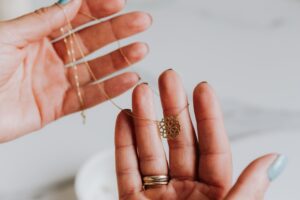
Artificial jewellery is designed to provide attractive styles at a more accessible price than fine jewellery. Depending on the product, it may contain materials such as stainless steel, brass, alloy metals, plating, glass stones, crystals, pearls, enamel, or synthetic gemstones.
The finish of these materials can gradually change when exposed to moisture, chemicals, friction, or excessive handling.
Common causes of jewellery damage include:
The Gemological Institute of America (GIA) similarly recommends keeping jewellery away from chemicals, cosmetics, chlorine, and harsh cleaning products because these can damage or discolor jewellery materials.
One of the easiest ways to protect artificial jewellery is to change the order of your routine.
Apply your:
before putting on your jewellery.
Allow skincare and fragrance products to dry completely before wearing necklaces, earrings, rings, or bracelets.
Perfume and cosmetics may contain ingredients that can gradually affect certain jewellery surfaces and delicate decorative materials. Keeping these products away from your jewellery is therefore a simple but effective everyday habit.
Beauty products first. Jewellery last.
This small change can help preserve the appearance of your favourite artificial jewellery.
Although it may feel convenient to keep your favourite necklace or ring on all day, showering while wearing artificial jewellery is not recommended.
Repeated exposure to:
can contribute to deterioration of certain finishes and components.
This is particularly important for plated jewellery. Water itself is not always the problem; repeated exposure combined with soaps, chemicals, humidity, and friction can accelerate wear.
Make removing jewellery before showering part of your daily routine.
Swimming pools contain chemicals such as chlorine, while seawater contains salt and other minerals. These environments are not ideal for many jewellery materials.
Remove your jewellery before:
GIA specifically advises removing jewellery before swimming in chlorinated pools and before using household cleaners.
If you accidentally wear a piece into water, gently dry it afterward rather than leaving it damp.
Daily jewellery care does not require complicated equipment.
For many suitable jewellery pieces, a soft, dry, lint-free cloth can help remove:
Gently wipe the surface after wearing.
For jewellery that is suitable for mild wet cleaning, use a soft cloth or very soft brush with appropriate mild soap and water. However, do not assume every artificial jewellery piece can be soaked. Pieces containing adhesives, delicate stones, special coatings, pearls, or sensitive finishes may require different care.
GIA recommends gentle cleaning methods for appropriate jewellery and warns that some treatments can be affected by heat, solvents, steam, and ultrasonic cleaning.
Never use strong household cleaners, bleach, abrasive powders, or aggressive polishing products unless the manufacturer specifically recommends them.
Moisture left on jewellery can become a problem when the piece is stored immediately.
After cleaning or accidental exposure to water:
Avoid putting damp jewellery directly into a closed jewellery box.
This is especially useful for people living in humid environments, where moisture can remain trapped inside storage spaces.
Throwing all your jewellery into one box may seem convenient, but it can create unnecessary friction and tangling.
A better approach is to organize pieces by type.
Use individual compartments or hang them separately to reduce tangling.
Keep pairs together in small compartments or jewellery pouches.
Use a ring holder or separate soft compartment.
Keep heavier pieces separate from delicate chains to prevent scratches and deformation.
Proper jewellery storage is often overlooked, but GIA recommends avoiding loose storage where jewellery can rub against or scratch other pieces.
Extreme heat and prolonged exposure to harsh environmental conditions can affect some jewellery materials, adhesives, decorative stones, and finishes.
Avoid leaving jewellery:
Instead, choose a cool, dry storage location.
A jewellery organizer with individual compartments can provide both protection and easy access.
Rings and bracelets often experience more physical contact than necklaces or earrings.
Your hands frequently come into contact with:
If you wear artificial rings every day, consider removing them during household cleaning, washing dishes, exercising, or other activities involving significant friction or moisture.
The same principle applies to bracelets and bangles.
Many fashionable artificial jewellery designs use plating to create gold-tone, silver-tone, rose-gold, or other finishes.
Plating can naturally experience wear over time, particularly in areas exposed to repeated friction.
To extend the appearance of plated jewellery:
Most importantly, remember that no jewellery finish should be expected to remain completely unchanged under unlimited daily exposure.
Good care is about slowing normal wear and maintaining the appearance for as long as possible.
One of the biggest jewellery trends in 2026 is the movement toward everyday comfort and versatility. Current style coverage highlights minimalist jewellery, layered necklaces, stackable pieces, mixed metals, colourful accents, and personalized designs.
This makes lifestyle-based selection increasingly important.
For office wear, consider:
For casual wear:
For weddings and festive occasions:
Choosing the right piece for the activity reduces unnecessary exposure and makes your jewellery easier to maintain.
Modern jewellery is changing beyond just design. Technology is influencing how jewellery is designed, manufactured, customized, and marketed.
PVD-coated stainless steel is receiving increasing attention in everyday and demi-fine jewellery because manufacturers can create durable decorative finishes suited to frequent wear.
For consumers, this means it is increasingly useful to look beyond appearance and ask about:
Always follow the manufacturer’s specific care instructions because materials and coatings vary.
3D printing and additive manufacturing are also influencing jewellery production. Recent research highlights their ability to create complex designs precisely while potentially reducing material waste and supporting customization.
Digital design, AI-assisted design, and algorithmic customization are becoming part of a broader shift toward personalized jewellery production.
Sustainability is another important direction. Jewellery businesses are increasingly exploring recycled materials, responsible sourcing, lower-waste manufacturing, and eco-conscious packaging.
For artificial jewellery buyers, sustainability can also mean buying better pieces, caring for them properly, and using them for longer rather than constantly replacing damaged items.
Jewellery styling in 2026 is becoming more flexible.
Instead of matching every piece perfectly, many current looks combine:
Personalization is also becoming increasingly important, with initials, charms, meaningful symbols, and customized designs helping consumers create jewellery collections that feel individual.
The key is balance. You do not need to wear every trend at once. One well-chosen statement piece can transform a simple outfit.
You do not need to spend hours maintaining your collection.
Try this simple routine:
After wearing:
Wipe the jewellery gently with a soft cloth.
Before showering:
Remove necklaces, rings, earrings, and bracelets.
Before exercise:
Take off jewellery to reduce exposure to sweat and friction.
Before sleeping:
Remove delicate pieces to prevent unnecessary pressure and tangling.
Every few weeks:
Inspect clasps, stones, chains, and settings.
During storage:
Keep pieces dry and separated.
This simple routine can make everyday jewellery care much easier.
Yes, many artificial jewellery pieces can be worn regularly, but their durability depends on the materials, construction, finish, and exposure to moisture and chemicals. Proper care can help maintain their appearance.
It can. Perfumes and cosmetic products may contain chemicals that affect certain jewellery finishes and decorative materials. It is safer to apply perfume before wearing your jewellery.
Start with a soft, lint-free cloth. If the manufacturer allows wet cleaning, use a gentle cleaning method appropriate for the material. Avoid abrasive cleaners and harsh chemicals.
It is generally better to remove jewellery before sleeping. This reduces friction, tangling, pressure on chains and clasps, and unnecessary contact with sweat and skincare products.
Store each piece in a clean, dry and preferably separate compartment. Keep necklaces from tangling and prevent rings, earrings, bracelets, and bangles from rubbing against one another.
Lightweight necklaces, small earrings, simple rings, delicate bracelets, and versatile jewellery sets are practical choices for everyday styling. Material and finish should also be considered when selecting pieces for frequent wear.
Taking care of artificial jewellery every day does not have to be complicated. The most important habits are simple: keep jewellery away from perfume and harsh chemicals, remove it before showering and exercising, clean it gently, dry it properly, and store each piece separately.
At the same time, modern jewellery trends are making everyday accessories more versatile than ever. From layered necklaces and stackable rings to mixed metals, colourful stones, personalized designs, PVD-coated materials, and digitally designed pieces, there are more options for creating a jewellery collection that matches your lifestyle.
Whether you choose
Artificial jewellery has become a practical and stylish choice for everyday fashion. From delicate necklaces and stackable rings to elegant earrings, bracelets, bangles, and statement jewellery sets, modern designs make it easy to refresh your look without investing in fine jewellery for every occasion.
However, even high-quality artificial jewellery needs proper care. Frequent exposure to perfume, sweat, moisture, cosmetics, dust, and household chemicals can affect the finish, shine, plating, stones, and overall appearance of a piece. The good news is that simple daily habits can help your favourite jewellery stay beautiful for much longer.
In 2026, jewellery trends are also moving toward comfortable everyday designs, mixed metals, personalized pieces, colourful stones, layered necklaces, and more durable materials and finishes.
This guide explains the best ways to care for artificial jewellery every day, including cleaning, storage, wearing habits, material considerations, and modern jewellery trends.
Artificial jewellery is designed to provide attractive styles at a more accessible price than fine jewellery. Depending on the product, it may contain materials such as stainless steel, brass, alloy metals, plating, glass stones, crystals, pearls, enamel, or synthetic gemstones.
The finish of these materials can gradually change when exposed to moisture, chemicals, friction, or excessive handling.
Common causes of jewellery damage include:
The Gemological Institute of America (GIA) similarly recommends keeping jewellery away from chemicals, cosmetics, chlorine, and harsh cleaning products because these can damage or discolor jewellery materials.
One of the easiest ways to protect artificial jewellery is to change the order of your routine.
Apply your:
before putting on your jewellery.
Allow skincare and fragrance products to dry completely before wearing necklaces, earrings, rings, or bracelets.
Perfume and cosmetics may contain ingredients that can gradually affect certain jewellery surfaces and delicate decorative materials. Keeping these products away from your jewellery is therefore a simple but effective everyday habit.
Beauty products first. Jewellery last.
This small change can help preserve the appearance of your favourite artificial jewellery.
Although it may feel convenient to keep your favourite necklace or ring on all day, showering while wearing artificial jewellery is not recommended.
Repeated exposure to:
can contribute to deterioration of certain finishes and components.
This is particularly important for plated jewellery. Water itself is not always the problem; repeated exposure combined with soaps, chemicals, humidity, and friction can accelerate wear.
Make removing jewellery before showering part of your daily routine.
Swimming pools contain chemicals such as chlorine, while seawater contains salt and other minerals. These environments are not ideal for many jewellery materials.
Remove your jewellery before:
GIA specifically advises removing jewellery before swimming in chlorinated pools and before using household cleaners.
If you accidentally wear a piece into water, gently dry it afterward rather than leaving it damp.
Daily jewellery care does not require complicated equipment.
For many suitable jewellery pieces, a soft, dry, lint-free cloth can help remove:
Gently wipe the surface after wearing.
For jewellery that is suitable for mild wet cleaning, use a soft cloth or very soft brush with appropriate mild soap and water. However, do not assume every artificial jewellery piece can be soaked. Pieces containing adhesives, delicate stones, special coatings, pearls, or sensitive finishes may require different care.
GIA recommends gentle cleaning methods for appropriate jewellery and warns that some treatments can be affected by heat, solvents, steam, and ultrasonic cleaning.
Never use strong household cleaners, bleach, abrasive powders, or aggressive polishing products unless the manufacturer specifically recommends them.
Moisture left on jewellery can become a problem when the piece is stored immediately.
After cleaning or accidental exposure to water:
Avoid putting damp jewellery directly into a closed jewellery box.
This is especially useful for people living in humid environments, where moisture can remain trapped inside storage spaces.
Throwing all your jewellery into one box may seem convenient, but it can create unnecessary friction and tangling.
A better approach is to organize pieces by type.
Use individual compartments or hang them separately to reduce tangling.
Keep pairs together in small compartments or jewellery pouches.
Use a ring holder or separate soft compartment.
Keep heavier pieces separate from delicate chains to prevent scratches and deformation.
Proper jewellery storage is often overlooked, but GIA recommends avoiding loose storage where jewellery can rub against or scratch other pieces.
Extreme heat and prolonged exposure to harsh environmental conditions can affect some jewellery materials, adhesives, decorative stones, and finishes.
Avoid leaving jewellery:
Instead, choose a cool, dry storage location.
A jewellery organizer with individual compartments can provide both protection and easy access.
Rings and bracelets often experience more physical contact than necklaces or earrings.
Your hands frequently come into contact with:
If you wear artificial rings every day, consider removing them during household cleaning, washing dishes, exercising, or other activities involving significant friction or moisture.
The same principle applies to bracelets and bangles.
Many fashionable artificial jewellery designs use plating to create gold-tone, silver-tone, rose-gold, or other finishes.
Plating can naturally experience wear over time, particularly in areas exposed to repeated friction.
To extend the appearance of plated jewellery:
Most importantly, remember that no jewellery finish should be expected to remain completely unchanged under unlimited daily exposure.
Good care is about slowing normal wear and maintaining the appearance for as long as possible.
One of the biggest jewellery trends in 2026 is the movement toward everyday comfort and versatility. Current style coverage highlights minimalist jewellery, layered necklaces, stackable pieces, mixed metals, colourful accents, and personalized designs.
This makes lifestyle-based selection increasingly important.
For office wear, consider:
For casual wear:
For weddings and festive occasions:
Choosing the right piece for the activity reduces unnecessary exposure and makes your jewellery easier to maintain.
Modern jewellery is changing beyond just design. Technology is influencing how jewellery is designed, manufactured, customized, and marketed.
PVD-coated stainless steel is receiving increasing attention in everyday and demi-fine jewellery because manufacturers can create durable decorative finishes suited to frequent wear.
For consumers, this means it is increasingly useful to look beyond appearance and ask about:
Always follow the manufacturer’s specific care instructions because materials and coatings vary.
3D printing and additive manufacturing are also influencing jewellery production. Recent research highlights their ability to create complex designs precisely while potentially reducing material waste and supporting customization.
Digital design, AI-assisted design, and algorithmic customization are becoming part of a broader shift toward personalized jewellery production.
Sustainability is another important direction. Jewellery businesses are increasingly exploring recycled materials, responsible sourcing, lower-waste manufacturing, and eco-conscious packaging.
For artificial jewellery buyers, sustainability can also mean buying better pieces, caring for them properly, and using them for longer rather than constantly replacing damaged items.
Jewellery styling in 2026 is becoming more flexible.
Instead of matching every piece perfectly, many current looks combine:
Personalization is also becoming increasingly important, with initials, charms, meaningful symbols, and customized designs helping consumers create jewellery collections that feel individual.
The key is balance. You do not need to wear every trend at once. One well-chosen statement piece can transform a simple outfit.
You do not need to spend hours maintaining your collection.
Try this simple routine:
After wearing:
Wipe the jewellery gently with a soft cloth.
Before showering:
Remove necklaces, rings, earrings, and bracelets.
Before exercise:
Take off jewellery to reduce exposure to sweat and friction.
Before sleeping:
Remove delicate pieces to prevent unnecessary pressure and tangling.
Every few weeks:
Inspect clasps, stones, chains, and settings.
During storage:
Keep pieces dry and separated.
This simple routine can make everyday jewellery care much easier.
Yes, many artificial jewellery pieces can be worn regularly, but their durability depends on the materials, construction, finish, and exposure to moisture and chemicals. Proper care can help maintain their appearance.
It can. Perfumes and cosmetic products may contain chemicals that affect certain jewellery finishes and decorative materials. It is safer to apply perfume before wearing your jewellery.
Start with a soft, lint-free cloth. If the manufacturer allows wet cleaning, use a gentle cleaning method appropriate for the material. Avoid abrasive cleaners and harsh chemicals.
It is generally better to remove jewellery before sleeping. This reduces friction, tangling, pressure on chains and clasps, and unnecessary contact with sweat and skincare products.
Store each piece in a clean, dry and preferably separate compartment. Keep necklaces from tangling and prevent rings, earrings, bracelets, and bangles from rubbing against one another.
Lightweight necklaces, small earrings, simple rings, delicate bracelets, and versatile jewellery sets are practical choices for everyday styling. Material and finish should also be considered when selecting pieces for frequent wear.
Taking care of artificial jewellery every day does not have to be complicated. The most important habits are simple: keep jewellery away from perfume and harsh chemicals, remove it before showering and exercising, clean it gently, dry it properly, and store each piece separately.
At the same time, modern jewellery trends are making everyday accessories more versatile than ever. From layered necklaces and stackable rings to mixed metals, colourful stones, personalized designs, PVD-coated materials, and digitally designed pieces, there are more options for creating a jewellery collection that matches your lifestyle.
Whether you choose artificial necklaces, earrings, rings, bracelets, bangles, or complete jewellery sets, good care can help preserve their beauty and make your favourite pieces more enjoyable to wear.
, good care can help preserve their beauty and make your favourite pieces more enjoyable to wear.
WhatsApp us